

GIFT City Property Prices & Appreciation Trends (2021–2026)
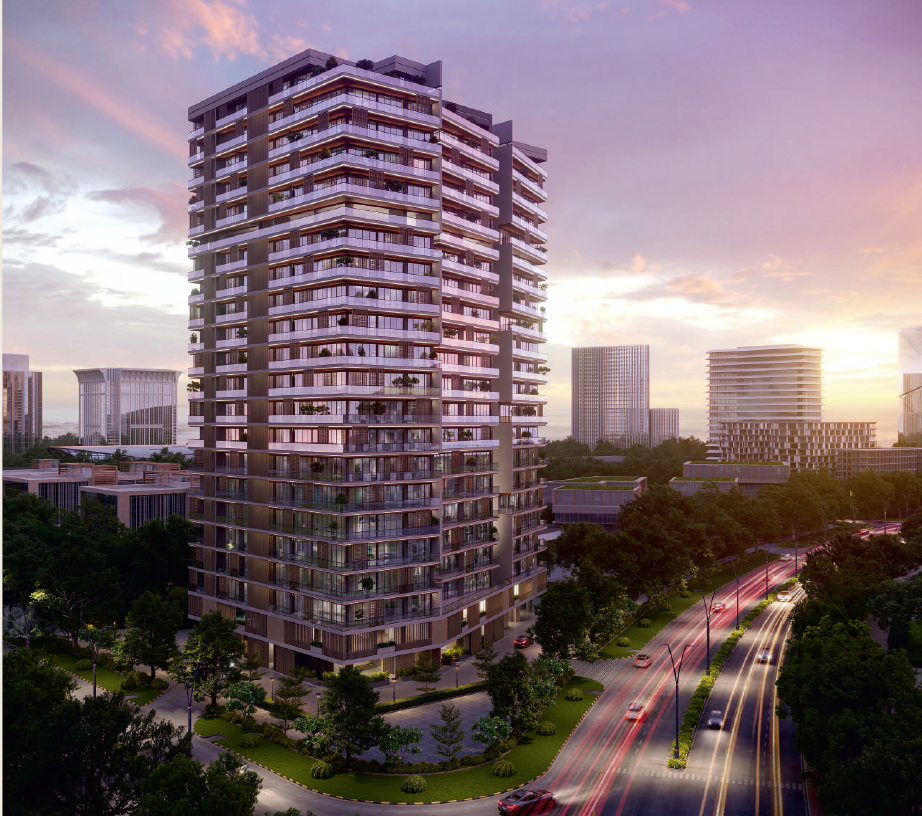
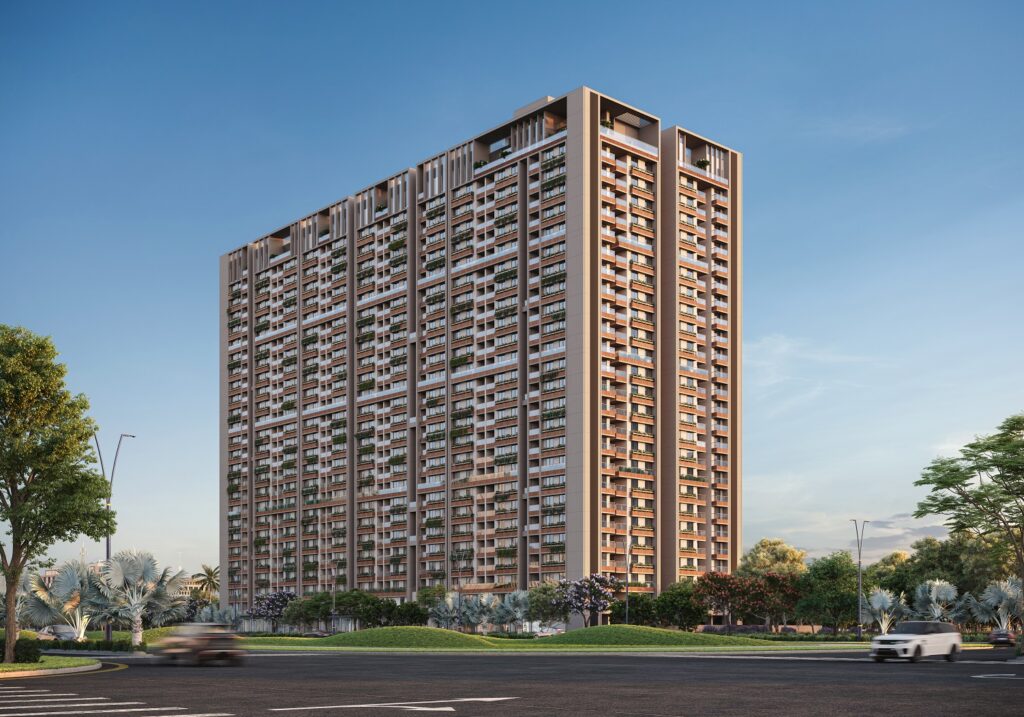
Property values in GIFT City have moved in distinct phases. The earliest phase (roughly 2017–2020) was dominated by land allotments and early commercial pre-leases, with limited residential activity. From 2021 onward, as the IFSC ecosystem started taking visible shape — exchanges going live, the first wave of banks setting up — residential and commercial prices began a steady climb.
Compared to established Ahmedabad micro-markets like SG Highway or Bodakdev, GIFT City still offers a meaningfully lower entry price per square foot for comparable build quality, which is the central argument most advisors make for early investment here. For current per-square-foot figures and a quarter-by-quarter look at how pricing has moved, our GIFT City property prices and trends page is updated regularly.
Who Should Invest in GIFT City Real Estate?
GIFT City property tends to attract three distinct buyer profiles:
End-use professionals working within the SEZ who want to cut commute time and are comfortable being early residents of a still-maturing micro-market.
Yield-focused investors betting on rental demand from the growing employee base of financial firms relocating into GIFT City — particularly relevant for 2-3 BHK apartments near the SEZ core.
NRI investors drawn by the dual appeal of India’s only IFSC and Gujarat’s comparatively affordable luxury real estate. NRIs investing here should be especially mindful of FEMA compliance, repatriation rules, and the specific documentation IFSC-linked transactions sometimes require — all covered in our NRI property investment guide.
GIFT City vs Other Ahmedabad Micro-Markets
It’s a fair question: why choose GIFT City over an already-established corridor like SG Highway? The honest answer is that the two serve different investment theses. SG Highway and Bodakdev offer mature infrastructure, immediate liquidity, and proven appreciation history — but at a price premium that reflects all of that maturity already being priced in.
GIFT City, by contrast, is a growth bet tied directly to India’s financial-sector expansion. If the IFSC ecosystem continues attracting institutions at its current pace, early residential and commercial buyers stand to benefit from appreciation that mature corridors have already captured. We’ve laid out a fuller side-by-side comparison, including rental yield assumptions and risk profiles, in GIFT City vs SG Highway: Where to Invest.
Legal & Regulatory Considerations
Buying in GIFT City involves a few regulatory layers that don’t apply to a typical Ahmedabad purchase:
- RERA registration still applies to residential projects in Gujarat, including those within GIFT City — always verify a project’s RERA number before booking.
- SEZ vs non-SEZ classification matters significantly for commercial buyers, since tax treatment and usage rights differ between the two.
- IFSCA-specific rules govern certain categories of commercial leasing and ownership, particularly for entities seeking to operate as registered IFSC units.
- FEMA regulations for NRIs apply just as they would for any Indian property purchase, with the added nuance that some GIFT City transactions are structured through IFSC-specific banking channels.
How to Invest in GIFT City Property — Step by Step
- Define your objective: end-use, rental yield, or long-term capital appreciation — the right project differs for each.
- Shortlist 2–3 developers with a track record of on-time delivery within GIFT City specifically, not just Ahmedabad broadly.
- Verify RERA registration and, for commercial units, confirm SEZ/non-SEZ classification before booking.
- Run the numbers — compare per-square-foot pricing against current SG Highway and Bodakdev benchmarks to judge entry value.
- For NRI buyers, complete FEMA-compliant documentation and confirm the developer’s process for remote bookings and virtual site visits.
- Engage a local advisory team that can verify site progress and represent your interests if you can’t visit in person.
Risks & Things to Watch Out For
GIFT City’s growth story is genuine, but it isn’t risk-free. The residential market here is still thinner than established corridors, which can mean lower liquidity if you need to exit quickly. Some projects are still in early construction phases, so delivery-timeline risk is real — due diligence on a developer’s GIFT City-specific track record matters more here than in mature markets. And because so much of the long-term thesis depends on continued institutional relocation into the SEZ, it’s worth tracking IFSCA policy announcements and major bank/fund relocations as leading indicators for the market’s direction.
The Future of GIFT City: What’s Coming Beyond 2026
Planned expansions to GIFT City’s SEZ footprint, continued onboarding of global financial institutions, and improvements in physical connectivity to Ahmedabad all point to a market that’s still in its growth phase rather than its mature phase. For investors with a 5–7-year horizon, that’s typically the window in which early entry yields the most meaningful appreciation.
Final Thoughts
GIFT City represents a different kind of real estate opportunity than the rest of Ahmedabad — one tied less to traditional residential demand and more to India’s financial sector ambitions. Whether that makes it the right fit for your portfolio depends on your time horizon, risk appetite, and whether you’re buying for yield, appreciation, or end-use.
If you’d like a personalized shortlist of GIFT City projects matched to your budget and investment goals, our advisory team at PreLaunchOffers can walk you through current inventory, pricing, and developer track records. Get in touch for a consultation.